
National Coding Week is an annual event that happens within the third week of september and has evolved significantly since its inception, reflecting the growing importance of digital literacy in our society. This year, we celebrate not only the advancements in coding education but also the increased participation and diversity in the fie
In this blog we will look into what national Coding week is, the comparisons to 2021 and what the future holds in the world for coding.
What Is National Coding Week?
Founded in the UK in 2014 by former headteacher Richard Rolfe and tech entrepreneur Jordan Love, National Coding Week began as a way to build confidence and provide pathways into tech-related careers. Since then, it has grown into an international movement, inspiring thousands of people worldwide to explore the world of code.
The campaign promotes the idea that coding is not just for those working in technology. It is a valuable skill that builds problem-solving abilities, boosts creativity, and can open doors to exciting career opportunities. To support this, events and taster sessions take place in schools, libraries, workplaces, and community groups across the UK and beyond, making coding accessible, inclusive, and engaging for everyone.
Here is a breakdown of what the initiative looked like in 2014 compared to now.
Original (circa 2014):
- Over 100 events held across the UK during National Coding Week.
- Participation from schools, libraries, and community hubs.
- Focus on adult learners and professionals seeking to enhance digital skills.
This Year
- Over 1,000 events nationwide, including workshops, hackathons, and coding bootcamps.
- Increased involvement from primary and secondary schools, with dedicated coding clubs and curricula.
- Widespread integration of coding into STEM education, supported by government initiatives and industry partnerships.
What Is The Theme For 2025?
This year it is all about how AI can be used not to replace coding skills, but to enhance them. Developers are increasingly turning to AI-powered tools to speed up debugging, generate smarter code suggestions, and improve productivity. At the same time, beginners are discovering that AI can act as a supportive learning companion, helping to explain concepts, recommend resources, and provide real-time feedback.
Then vs. Now: The Growth of Coding Initiatives
As you may be aware the coding community is vast and there are even more teaching resources you can use coding platforms and peers than ever before. Back in 2021 we looked at national coding week and a platform called stackoverflow and how they had complied data from a developer survey, to understand exactly what developers are learning. Fast forward 4 years it would be interesting to see what has changed and where we are heading.
How Is Code Being Learnt?
Traditionally, coding was taught primarily in educational settings such as schools, colleges, and universities. However, since 2021, there has been a significant shift in the ways people acquire new skills
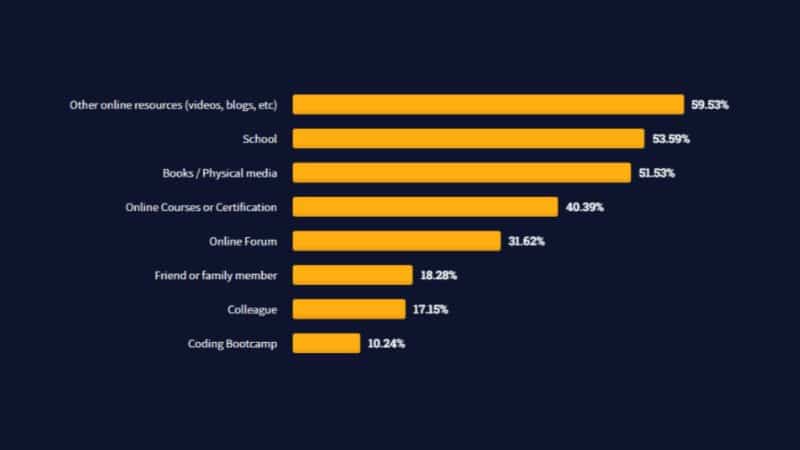
Back in 2021, online resources including video tutorials, blogs, and interactive platforms were the most popular way for learners to pick up coding skills, with schools still playing a close second. This trend is illustrated in the below image.
Fast forward to now, and the landscape has shifted even further. The majority of learners, 67.8% out of a sample of 33,454 responses, now turn to technical documentation, often generated for specific code projects, as their primary learning method. Online communities and forums such as Reddit have also become key resources, enabling developers to share knowledge, troubleshoot problems, and learn collaboratively.
Interestingly, formal education has declined in its relative share, with schools, colleges, and universities now accounting for only 16.6% of how people learn coding skills. This change reflects the growing accessibility of digital learning tools and the way people now prefer to digest information through on-demand videos, interactive courses, and AI-powered tools rather than pursuing traditional degrees.
How Long Have People Been Learning to Code?
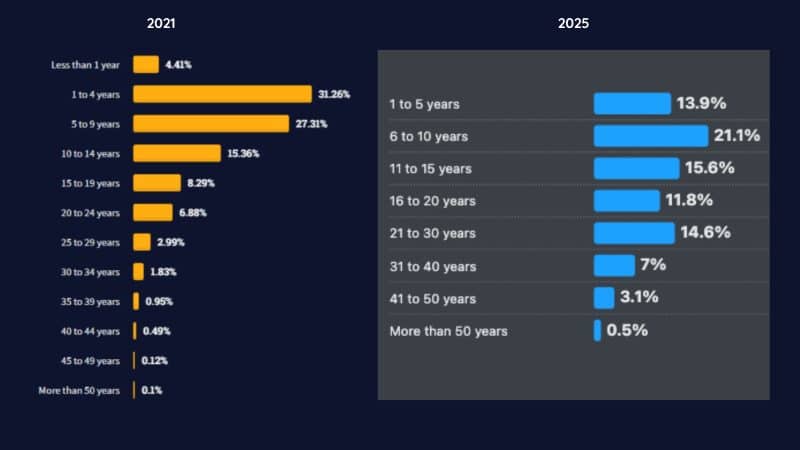
The amount of time people have been learning to code has remained fairly consistent, which reflects that more and more individuals are entering the profession. In 2021, the majority of learners had under 10 years of experience, highlighting that a younger generation made up a significant proportion of the coding community. This underscores the impact of initiatives like continuing National Coding Week within schools, which continue to feed talent into the industry.
During this year, there has been a noticeable shift in the distribution of experience. While the largest group still has under 10 years of experience, there is now an increasing number of people with 21 to 30 years in the industry. This likely includes those who began coding earlier and have continued to grow in their careers. The trend demonstrates that the coding industry is expanding and maturing. It also reflects how advancements in technology, particularly AI-powered tools, have made it easier for coders to develop and refine their skills over time.
Technologies In Coding 2021 vs. 2025
The technologies used in coding have changed significantly over the past few years, reflecting both advances in software development and the growing influence of AI.
In 2021, the coding landscape was dominated by traditional programming languages such as Python, JavaScript, Java, and C++, with learners and professionals primarily relying on online tutorials, documentation, and community forums to enhance their skills. Emerging technologies like cloud platforms and basic AI tools were just beginning to appear in coding projects, and most development work was focused on web, app, and software solutions.
Now, AI has become a central technology in coding. Developers are increasingly using AI-powered tools for tasks such as code generation, debugging, testing, and optimization, making workflows faster and more efficient. AI-assisted learning platforms also allow beginners to get real-time feedback, personalised guidance, and interactive coding challenges, dramatically reducing the barrier to entry. one of thses being Github.
Other technological trends include:
- Cloud and serverless computing: More developers are leveraging cloud platforms like AWS, Azure, and Google Cloud for scalable and flexible coding environments.
- Low-code and no-code platforms: These tools are enabling non-traditional coders to create applications quickly, making coding accessible to a wider audience.
- Collaborative coding tools: Platforms like GitHub and GitLab continue to dominate, but AI integrations now allow for smarter suggestions, automated pull requests, and collaborative debugging.
- Specialised frameworks: In addition to traditional languages, frameworks for AI, machine learning, and data science have surged in popularity, reflecting the growing importance of these fields.
The way Ai has taken the development industry by storm Stack overflow this year added a new category which is called Stack Overflow Tags which highlights what has been the most used. It is no surprise that at the tope of the list is Google gemini and large language models.
The most used language model by programmers is OpenAI GPT at 81% which is then followed by Claude Sonnet at 42%. it will be interesting to see what happens with the way we code as years go on.
Introduction to Vibe Coding: Your Gateway to the Future of Tech
Vibe Coding, introduced by Andrej Karpathy in early 2025, uses AI to create software from simple prompts rather than writing every line manually. Developers guide the AI, review its suggestions, and refine the results, combining creativity and automation to make coding faster and more intuitive.
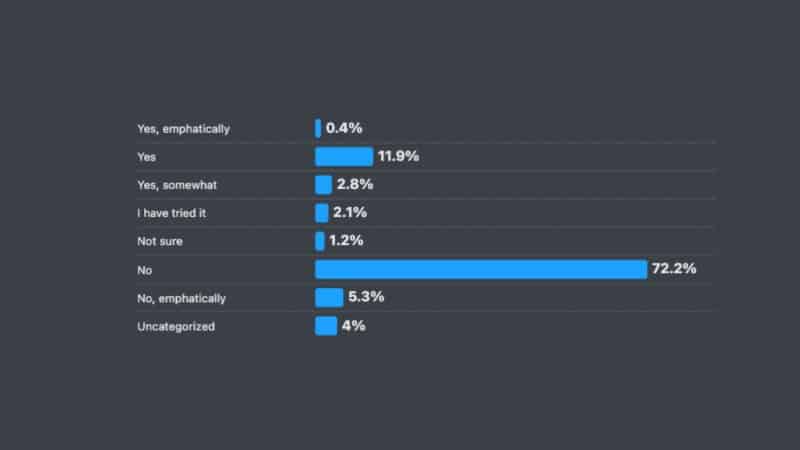
Being a new approach, adoption is still limited. According to a recent Stack Overflow report, only 11.6% of developers currently use Vibe Coding, compared to 72.8% who rely on traditional methods. With AI integration continuing to grow, it will be interesting to see how many more developers adopt this innovative style in the coming years.
How Mexa Solutions Can Help
At Mexa Solutions, we are dedicated to supporting coders at every stage of their journey. Whether you are a beginner, looking to advance your skills, or exploring the latest AI-powered coding tools, we provide the resources, guidance, and expertise to help you succeed.
We also work closely with companies seeking talented developers, helping connect skilled coders with exciting career opportunities. By bridging the gap between learning and employment, we enable our community to turn their coding skills into real-world success, whether joining innovative tech teams, working on cutting-edge projects, or advancing in their current roles.
Join The Movement
By showing support to national coding week is a call to action for individuals and communities to embrace coding as a fundamental skill. Whether you’re just starting out or looking to enhance your expertise, now is the perfect time to get involved as coding can open new doors in for your career.
Do your research, participate in local events, and connect with others passionate about technology. Together, we can shape a future where coding is accessible to all.
FAQ’s
What is National Coding Week?
National Coding Week is a week-long event that encourages people and adults to understand the value of coding. It provides opportunities for complete beginners and experienced developers to explore different programming languages, learn some useful programming skills, and take part in activities that make coding more accessible and engaging.
Which different programming languages should beginners consider?
The choice of programming language depends on your goals. HTML and CSS are essential for anyone interested in web design, while JavaScript is key for building interactive websites. Python is popular for beginners because of its readability and versatility, especially in data science and AI. For those interested in app development, languages like Java and Swift are also worth exploring.
Why should people and adults take the time to understand coding?
Coding is no longer just a specialist skill for developers. For people and adults in any profession, learning to code helps improve problem-solving, logical thinking, and creativity. It also provides opportunities to upskill, stand out in the workplace, and even switch to a career in tech.
 This blog was written by Simon Bath, Director and Founder of Mexa Solutions.