

Leaving a job often comes with a mix of emotions. Whether you’re starting a new role, stepping away for a while, or changing career paths, drafting a professional resignation letter is a key part of the resigning process. It serves as your formal notice and helps support a smooth handover while preserving good relationships.
In this post, we’ll guide you through the essentials of writing a resignation letter, highlight what to include (and what to skip), and provide a sample to help you begin.
What Is a Letter of Resignation?
A letter of resignation is a formal document an employee submits to notify their employer of their decision to leave the company. It typically includes the intended last working day, a brief reason for leaving (optional), and a message of gratitude or professionalism.
This letter serves as an official record of your departure and helps set the tone for a respectful and professional exit. It also gives your employer time to prepare for your transition, such as redistributing tasks or finding a replacement.
While resignation letters can vary in tone and detail depending on the situation, the key purpose is always the same which is to communicate your decision to resign in a clear and in a professional way.
Why Your Resignation Letter Matters
A resignation letter is a written notice of your intention to step down from your position. It not only informs your employer of your decision but also becomes part of your official employment record. When written thoughtfully, it demonstrates professionalism and appreciation. However, if handled carelessly, it can leave a negative impression and strain relationships.
- Preserve professional relationships: A well-written resignation letter helps maintain respectful and positive connections with your employer and colleagues, which can be valuable down the line.
- Maintain a positive reputation: Leaving on good terms shows integrity and maturity, reinforcing your reputation within your industry or professional network.
- Serve as a formal record of your resignation: The letter provides clear documentation of your departure, including your final working day, helping prevent misunderstandings.
- Ensure a smooth transition: Clearly communicating your resignation allows your employer time to plan for your replacement or delegate your responsibilities, making the transition easier for everyone.
- Open doors for future references: Ending on a professional note increases the likelihood that your employer or manager will provide a positive reference or recommendation in the future.
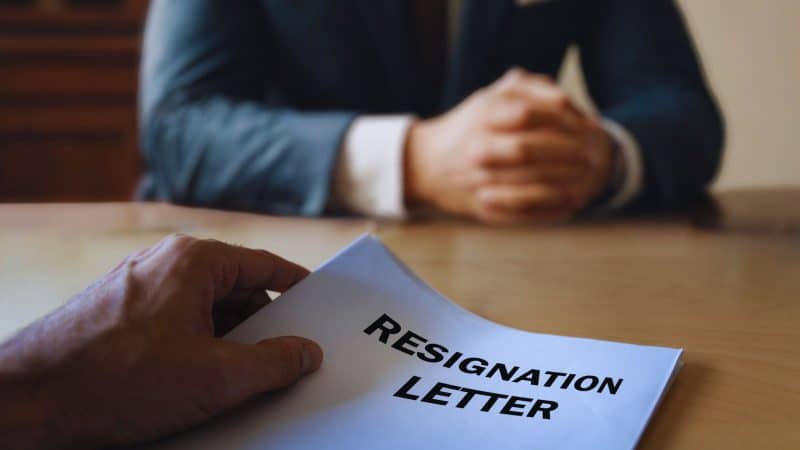
What to Include When Writing Your Resignation Letter
A resignation letter doesn’t need to be long or overly detailed but keep it clear, polite, and professional and be sure to consider your HR manager to make sure you are following the correct procedure. In most cases a letter attached via email is the best way to do it. In a CIPD (Chartered Institute of Personnel and Development) survey in 2024 that included uk office workers, over 7
Below are some practical tips.
Date Followed By A Formal Greeting
When writing a resignation letter, it’s customary to start with the date to maintain a formal record. This isn’t necessary if you’re submitting it by email. Begin your message by addressing the appropriate person, which is usually your manager, supervisor, or someone in HR. In some cases, you might be writing to a wider audience like your department or entire team. Use a standard business greeting such as “Dear” followed by the recipient’s name, for example, “Dear Jessica” or “Dear Ms. Johnson.”
A Clear Statement of Resignation
Start with a straightforward sentence stating that have the intention to resign and that they should please accept this letter as your formal word. An example of this would be: I am writing to inform you of my resignation as marketing manager at Marketing R Us, effective 23rd November 2020.
Make sure you include your current title, the company name and the date of your departure.
Your Last Working Day
It is recommended that you mention when the last day of employment will be and you will work your notice period. By doing this helps your employer plan for your departure and also give your team enough time to have dedicated training from you to help with the transition. By offering to help make sure the team deal It also means you maintain a positive relationship with your employer.
Gratitude
Include a sentence or two thanking your employer or team for how grateful for the opportunities you were given whilst being there. Even if it wasn’t a perfect experience, expressing appreciation goes a long way as it may make the employer write you a good reference letter.
End your letter with a formal goodbye like Kind Regards.
What to Avoid
Here are some expert tips and examples on what good resignation letter will look to aviod.
Being negative: Even if you had a tough experience, keep the tone positive or neutral.
Oversharing: You don’t need to detail why you’re leaving unless you feel it’s necessary.
Informal language: This is a professional document so please keep the tone respectful and businesslike.
Resignation Letter Template
Below is a sample resignation letter. A key tip to remember is that this letter is a formal document so make sure it follows the rule of one.
[Your Address]
[City, State, ZIP Code]
[Email Address]
[Phone Number]
[Date][Manager’s Name]
[Company Name]
[Company Address]
Dear [Manager’s Name], I am writing to formally resign from my position as [Your Job Title] at [Company Name], effective [Last Working Day, typically two weeks from the date above].please accept this as my formal resignation.
I want to thank you and the team for the opportunities for professional and personal development during my time here. I have enjoyed working with you and appreciate the support provided throughout my tenure. During the next two weeks, I am committed to ensuring a smooth transition. I’m happy to help train a replacement or wrap up my responsibilities to make the handover as seamless as possible. Thank you again for the opportunity. I wish you and the company continued success in the future.
Sincerely,
[Your Name]
How Mexa Solutions Can Help
Thinking about your next move? Mexa Solutions is here to support you through your career transition. Whether you’re changing paths or stepping into a new role, we connect talented professionals with top employers across digital, tech, microsoft and transformation sectors
Your Exit, Done Right
Writing a resignation letter doesn’t have to be stressful. Think of it as a professional courtesy that helps you leave your job gracefully and on a high note. A polite and well-structured letter can go a long way in preserving relationships and setting you up for success in your next chapter.
FAQS
Should you give a reason for your departure?
Including a reason is optional. You can mention it briefly if it’s relevant or appropriate, like a new opportunity or personal growth. However, it’s also fine to keep it general or leave it out entirely as a reason for your resignation may not be well received. Keep your tone professional either way.
When is the best time for handing in your resignation after accepting a new job?
The ideal time to hand in your resignation is after you have received and signed your new job offer. This ensures your next role is confirmed before formally leaving your current one. Once everything is in place, provide your employer with the notice period required in your contract to support a smooth transition.
How does handing in your resignation impact company turnover?
Employee resignations directly contribute to staff turnover, which can affect team stability, productivity and morale. By leaving on good terms, you support a smoother transition and help reduce the negative impact of turnover on your team and employer.
Should I be sending my letter by email or is a printed, well-crafted resignation letter better?
Both options are acceptable, depending on your workplace and its culture. Sending your letter by email is quick and commonly used, especially in digital or remote roles. However, handing in a printed, well-crafted resignation letter during a face-to-face conversation can show extra professionalism and respect. This blog was written by Bob Bath, Director and Founder of Mexa Solutions.